Automation is rarely a single purchase or a one‑step solution. Decisions about robotics, autonomous mobile robots (AMRs), vision systems and machine integration affect safety, quality, data flow and workforce roles across an entire operation.

Too often, automation projects succeed in a demo environment but stall or underperform on the floor — not because the technology is wrong, but because upstream constraints, downstream handoffs and day‑to‑day realities weren’t accounted for early.

At the Center for Manufacturing Advancement (CMA) at the Institute for Advanced Learning and Research, our role is to help manufacturers explore, validate and integrate automation in ways that hold up in real production environments, not just controlled demonstrations.

We approach automation as part of a connected manufacturing ecosystem. Material movement, machine tending, inspection and data collection all intersect, and successful integration depends on how well those elements work together.

Identify Automation that Won't Create New Bottlenecks Connect with Us

Our Focus

Our automation and integration work emphasizes deployable concepts that reduce risk and clarify next steps before major capital investments are made. Because CMA is neutral and brand-agnostic, we focus on defining the right solution for your operation, not selling a specific robot, platform or vendor.

Typical areas of support include:

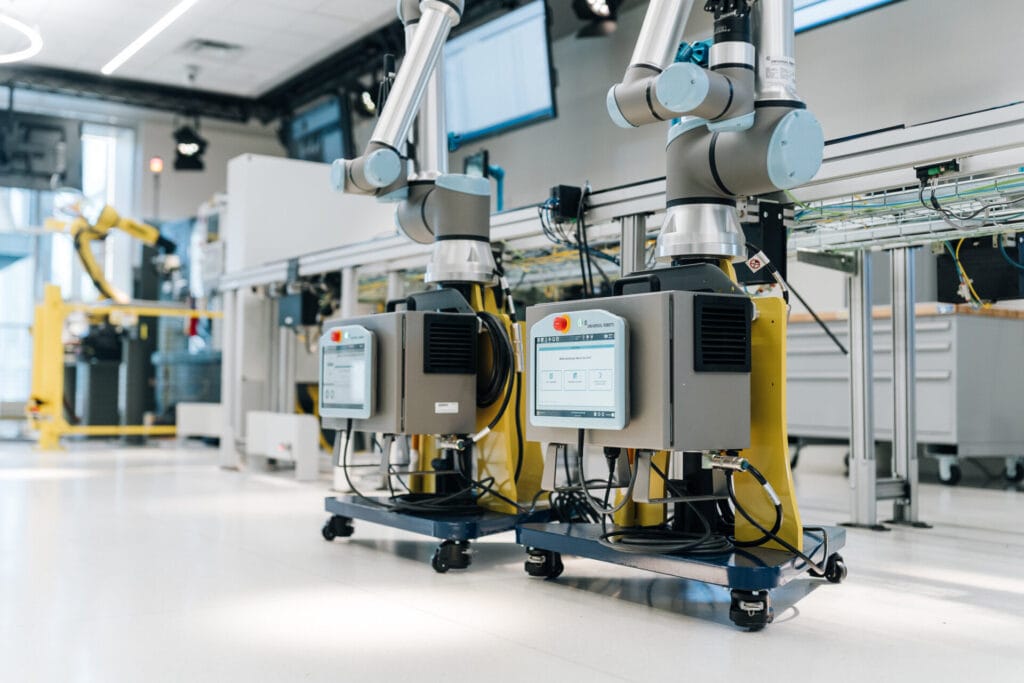
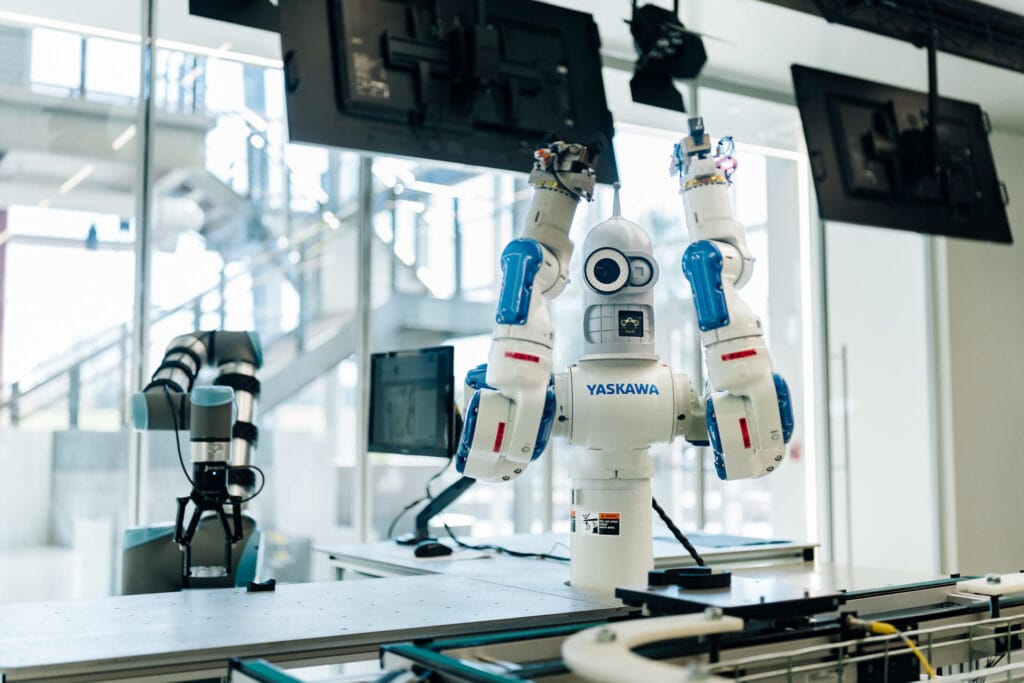
  • Robotics and AMR pilots for material movement, machine tending and part transfer
  • Vision systems and industrial sensing for identification, inspection and guidance
  • Machine and cell integration concepts that account for safety, access and uptime
  • Industrial networking and interoperability between machines, robots and systems
  • MES and GMS evaluations to support scheduling, traceability and data flow, ensuring automation generates usable data rather than isolated signals
  • Workforce readiness planning for operators, technicians and maintenance teams

Automation generates value not just by moving parts, but by creating reliable signals about what is happening in your operation. We help ensure automation investments contribute to usable data, clear decision‑making and continuous improvement.

Test Automation Concepts Before You Commit Capital 

The Importance of Integration

Automation that works in a demo can fail on the floor if it isn’t aligned with upstream and downstream processes. When integration is treated as an afterthought, manufacturers often trade one bottleneck for another — or introduce new risks around safety, uptime or quality.

We help manufacturers ensure automation strengthens the entire operation instead of creating workarounds, manual interventions or downstream instability.

Our approach helps manufacturers:

  • Validate concepts before committing capital
  • Improve consistency without sacrificing flexibility
  • Align automation with machining, metrology and digital systems
  • Reduce manual handling and ergonomic risk
  • Prepare teams to operate and maintain new systems confidently

This approach scales, working just as well with small manufacturers in Southern Virginia looking to automate a single bottleneck as with large national manufacturers coordinating automation strategies across multiple lines or facilities. In practice, this often means slowing down early decisions so you don’t pay for them later in rework, retraining, or underutilized equipment. 

Explore Automation for Your Company

How We Work with Your Team

We begin by understanding your current operation, constraints and goals through direct observation on your floor. From there, we use the Industry 4.0 Integration Lab at the CMA as a neutral test‑bed, comparing approaches, pressure‑testing assumptions and refining integration strategies before supporting deployment.

Because we are not an integrator or equipment vendor, our focus stays on what will work in your environment, not what is easiest to sell or install.

A typical engagement includes:

  • Plant walkthrough and opportunity identification
  • Concept development and feasibility assessment
  • Hands‑on pilots with robots, AMRs or vision systems
  • Integration planning and documentation
  • Coordination with external integrators or vendors, as needed
  • Operator and technician training tied to the deployed system

Validate an Automation Approach That Fits Your Operation

With all of our services and areas of expertise, the CMA takes a full-stack, holistic approach to manufacturing challenges.