In machining, small disruptions compound quickly. A toolpath that loads a cutter unexpectedly, a fixture that incorrectly locates and supports a component or an inconsistent setup method can ripple through an entire CNC operation.

The Center for Manufacturing Advancement (CMA) at the Institute for Advanced Learning and Research knows that environment firsthand. With decades of combined experience in high‑precision, high‑demand machining and subtractive manufacturing, we help manufacturers:

  • Isolate and stabilize every variable in the ecosystem
  • Remove trial‑and‑error cycles
  • Implement strategies that perform under true production conditions

We pair technical expertise with critical process data so programmers and operators can expect repeatability shift after shift.
Get Clarity on Your Machining Challenges  Let Our Machining Experts Support You

CNC Process Optimization that Holds up in Real Operations

Machining challenges rarely live in a single lane. Component designs dictate equipment selection and processing strategy. Toolpath decisions dictate workholding approaches, which influence part stability and datum control — directly affecting metrology consistency and effects on downstream processes.

We address the whole stack, ranging from process flow, programming, tooling, fixturing, machine capability, inspection strategy and operator skills, offering solutions that are neutral, brand-agnostic and outcome-focused.

We prioritize practical, production‑grade changes that reduce risk and accelerate deployment.

Typical areas of support include:

  • Programming and Toolpath development optimizing material removal strategies and reducing operator intervention
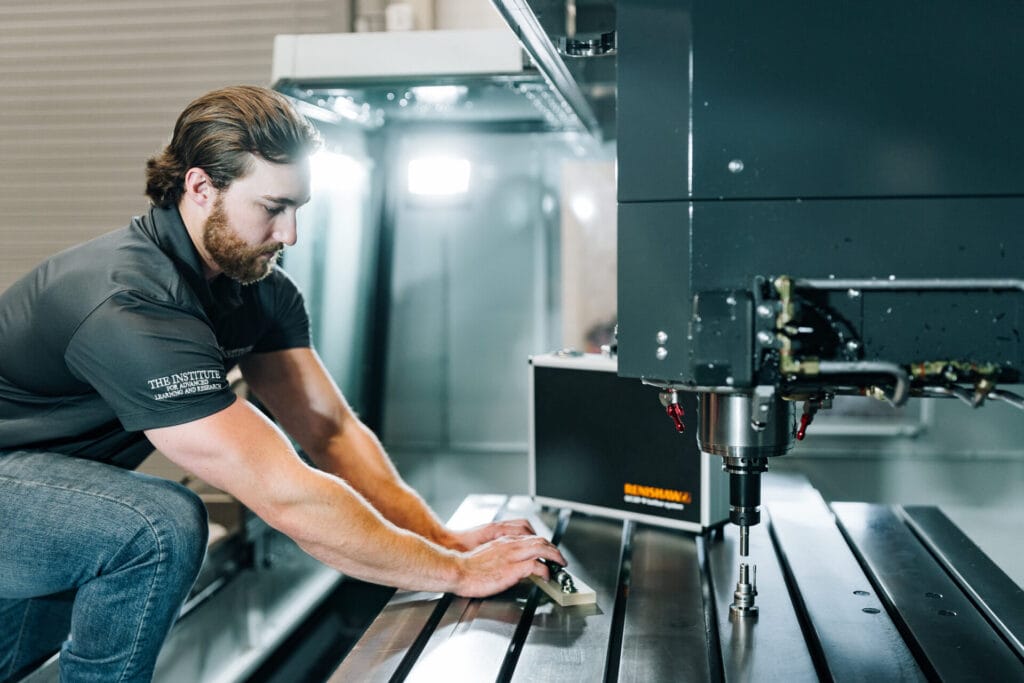
  • Workholding design for fixture stability and repeatability ranging from simple to complex geometries
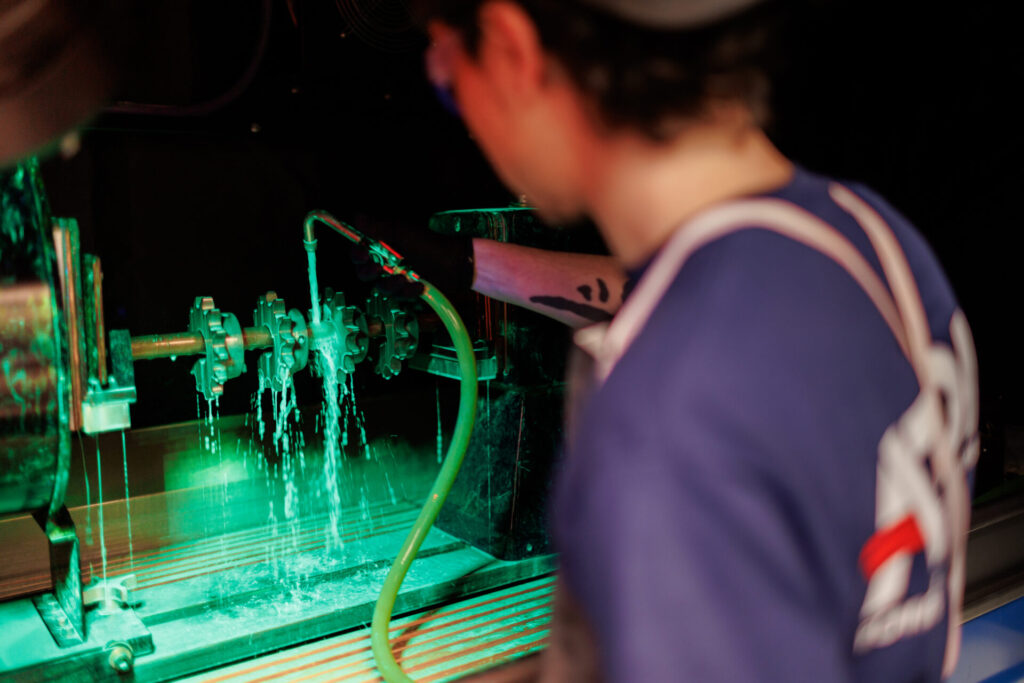
  • Machining parameters and cutting tooling development for difficult alloys, cycle time reduction, feature consolidation, or improved tool life
  • Datum and tolerance planning to reduce re-work, integrate in process inspection routines, and improve final inspection pass rates
  • Setup reduction and repeatability for all manufacturing environments
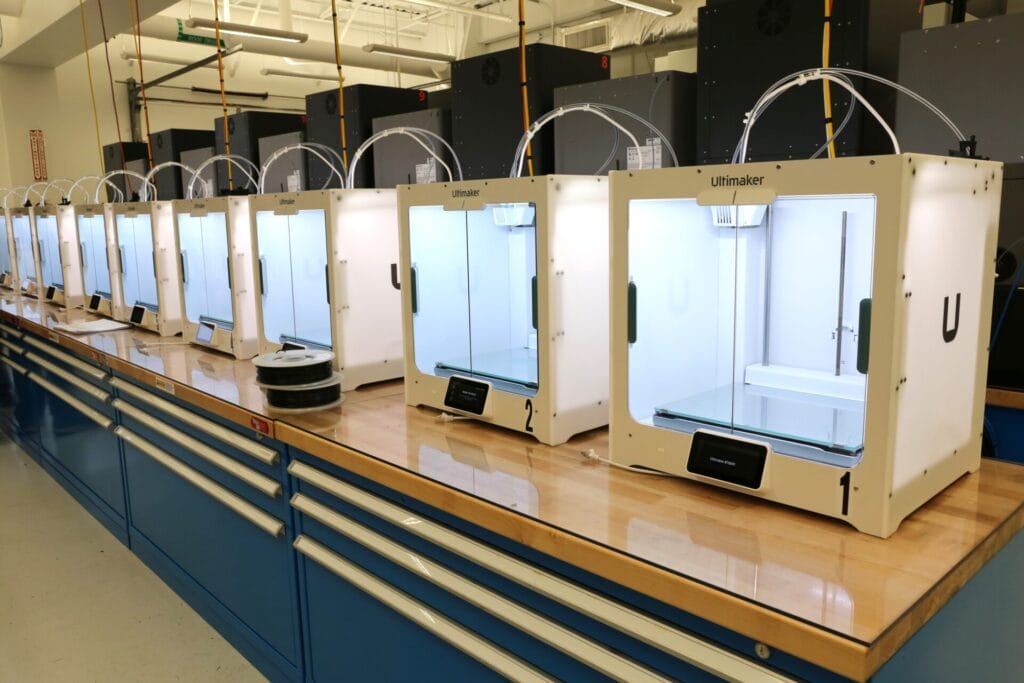
  • Post‑processing of additive parts with irregular stock conditions, organic forms and near‑net shapes with little margin of error allowance
  • CNC skills development and cross‑training including programming refreshers, setup reduction best practices and operator standards tied to the CMA developed optimized process or customer requirements

Validate a Machining Process with Us

Tangible Results for Your Plant with a Holistic Approach

Improving feeds and speeds on a single op is useful — but if fixturing, inspection or handoff to the next process can’t keep up, a new bottleneck appears. We optimize machining as part of the wider system and, when helpful, coordinate with metrology, automation or digital teams so gains hold across the line.

Outcomes We Target:

  • Reduced first‑piece uncertainty and machine‑to‑machine variation
  • Predictable tool life and consumables utilization
  • Machining strategies aligned with upstream and downstream processes
  • Validated subtractive manufacturing strategies for additively manufactured components
  • Optimization solutions driven by quantifiable performance improvements from real-time and historical data analysis.
  • Documented CNC training outcomes with operator and programmer check‑offs, SOP revisions and on‑the‑job coaching to sustain gains

A Holistic Approach to Machining Improvements

How We Work with Your Team

Whether you run a small shop in Southern Virginia that needs practical, this‑quarter improvements or a large national manufacturer coordinating standards across multiple sites, the CMA adapts to your scale. We can pilot changes quickly, help your team adopt them with confidence and document what it takes to sustain results line after line.

No matter your scale, we spend time on your shop floor, understanding your goals, constraints and current conditions.

Then we validate options inside the CMA environment and support rollout at your facility, so improvements hold up in production.

A typical engagement includes:

  • Discovery and process assessment
  • Strategy validation
  • Process refinement
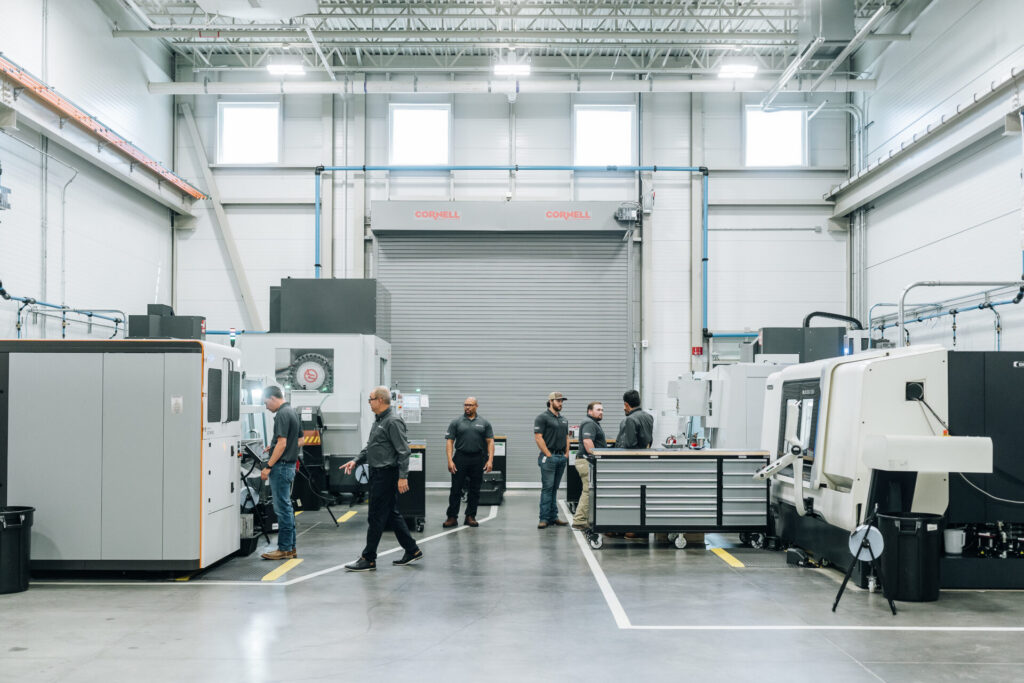
  • Pilot runs in CMA machining labs
  • On‑site implementation along with documented Standard Operating Procedures
  • Role-based OJT, train‑the‑trainer and skills matrices aligned to the optimized process

Start Your Machining Optimization Efforts

With all of our services and areas of expertise, the CMA takes a full-stack, holistic approach to manufacturing challenges