Fermentation Fuels the Future
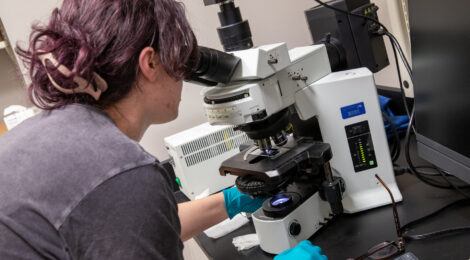
Institute for Advanced Learning and Research
Driving Economic Transformation
Fermentation Fuels the Future
Industrial fermentation, the large-scale use of microorganisms to create valuable products, powers a broad range of industries, from pharmaceuticals to food production. To teach the fundamentals of fermentation to entry-level professionals and students, the Institute for Advanced Learning and Research (IALR) hosted the VT IALR Industrial Fermentation Workshop Builds Skills on Jan. 13-17.
Co-taught by Dr. Scott Lowman (Vice President of Applied Research at IALR), Dr. Biswarup Mukhopadhyay (Professor in Virginia Tech’s Department of Biochemistry) and industry experts, this five-day, hands-on workshop served participants ranging from community college students to seasoned professionals seeking new skills.
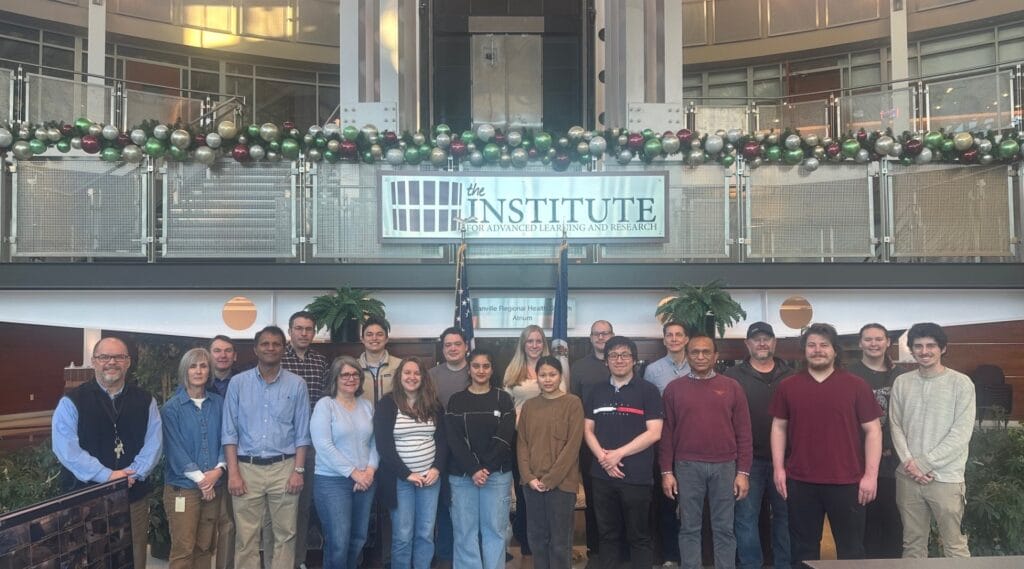
The result was a blend of classroom instruction, laboratory experiments and real-world insights into scaling up microbial processes.
“We’re so thrilled to host the workshop here at IALR. It’s an excellent opportunity for us to bring academic experts and industry together for a hands-on, fast-paced introduction to industrial fermentation.” – Scott Lowman, Ph.D., Vice President, Applied Research, IALR

Biswarup Mukhopadhyay, Ph.D., Professor, Virginia Tech Department of Biochemistry
Fermentation processes draw on microbiology, chemical engineering and more—disciplines that must align for the successful development of commercial-scale products. Participants explored how small-scale lab work translates to large industrial fermenters and bioreactors.
“A student might develop a process in the lab on a Petri plate or in a small flask. When it scales up, sometimes it doesn’t work the same way. Part of this workshop is learning what precautions to take early on so the process will translate well to a larger reactor.” – Biswarup Mukhopadhyay, Ph.D., Professor, Virginia Tech Department of Biochemistry
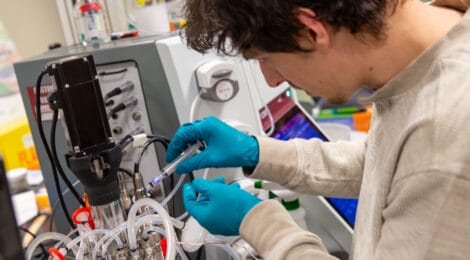
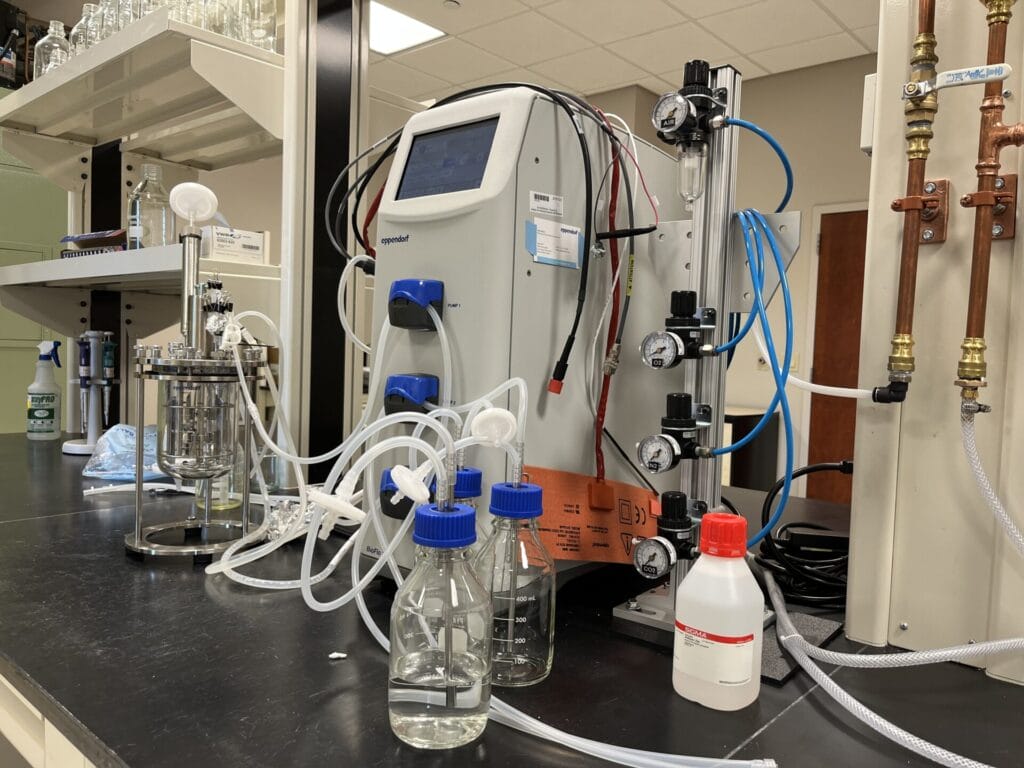
Participants spent significant time operating bench-scale bioreactors, adjusting variables like temperature and pH and collecting real time data. Industry partner Distek Inc. provided some equipment for students to practice what they learned.
“Many training courses focus a lot on theory and lectures, which is great. You get foundational knowledge that way, but solidifying it and running the systems with microbes drives home those concepts we learned in the lecture. The ability to go back and forth between the two sets these students up for understanding how the industry works, not only from a conceptual side but when they run the small-scale bioreactors.” – Justin Cesmat, Product Line Manager, Distek
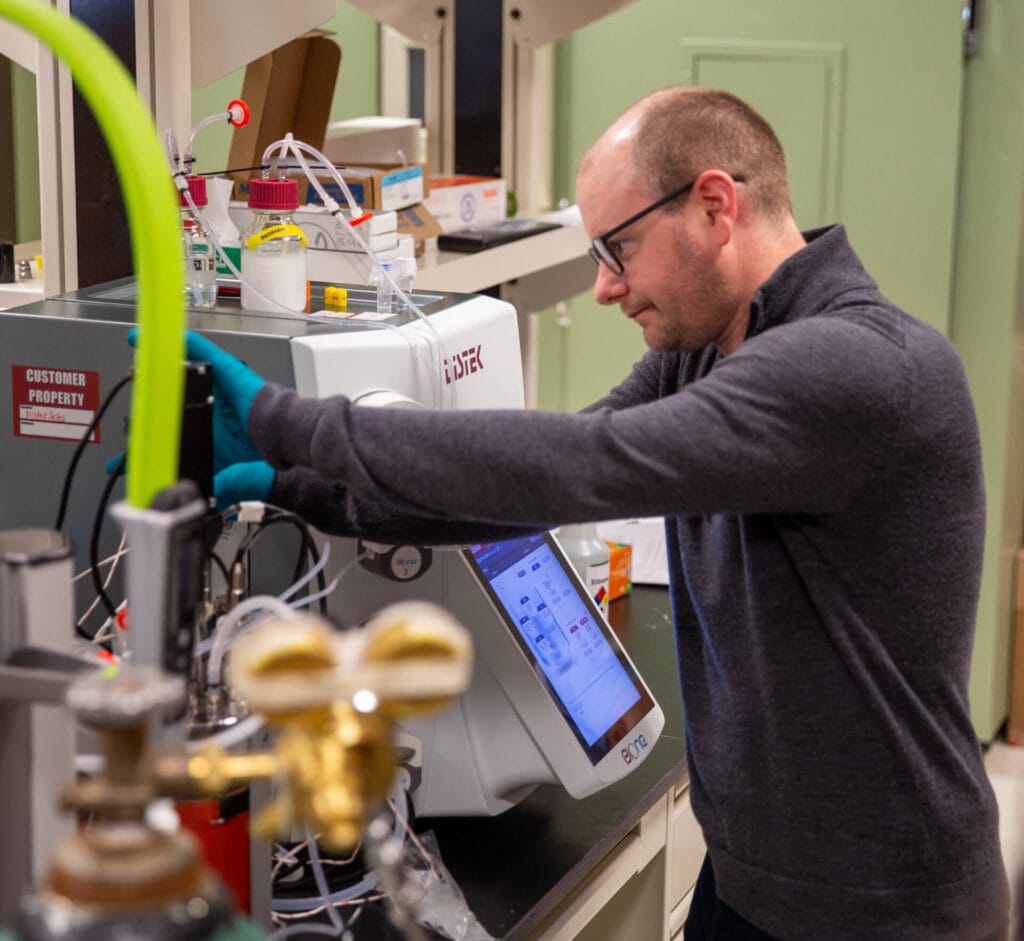
Justin Cesmat, Product Line Manager, Distek
Attendees ranged from undergraduate students aiming to break into biotech to seasoned professionals exploring new skills. They praised the workshop’s focus on real-world applications and its clarity for potential career paths.
“The workshop was wonderful. Now I have a better perspective on industry and what it takes to get from education into the field.” – Skyler Gentry, Biotechnology Student, Virginia Western Community College

Skyler Gentry, Biotechnology Student, Virginia Western Community College
“It’s been a comfortable learning experience. I think this is a great starting point for fermentation training. This is a good skill for any scientist to have.” – Udipta Bihari, Student, Virginia Tech
“This workshop has been good to teach. We have people who have never worked with fermenters and those in the field who are looking to commercialize from industry, and then students who are learning how things they’ve been doing on a small scale could be brought into their future careers as they think about how to commercialize something they’re learning in the lab.” – Zach Baer, Ph.D., Fermentation Specialist, IFF
With the successful conclusion of this inaugural workshop, IALR plans to expand this type of collaborative training offerings in fermentation and other biotech-related areas. Organizations seeking to enroll employees or learn more about future training sessions can contact the Applied Research team for details.
The Institute for Advanced Learning and Research serves Virginia as a regional catalyst for economic transformation with applied research, advanced learning, manufacturing advancement, conference center services and economic development efforts. IALR’s major footprint focuses within Southern Virginia, including the counties of Patrick, Henry, Franklin, Pittsylvania, Halifax and Mecklenburg, along with the cities of Martinsville and Danville.
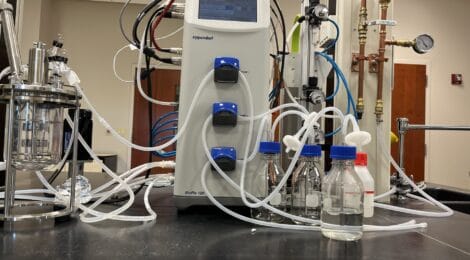
At its basic level, fermentation is a biological process in which microorganisms, such as bacteria or yeast, are used to create a product of value. The products are then harvested, packaged and sold.
Fermentation has been around for centuries and is commonly known for the creation of food and beverage products like wine and cheese. Modern biotechnology is changing this, and products can range from renewable plastics, fuels, food and much more. While the term fermentation scientifically refers to anaerobic processes, it is used broadly in industry, covering all large-scale industrial microbiological processes and supported by the disciplines of industrial microbiology, fermentation technology and biochemical engineering.
In a laboratory setting, these processes can be conducted in small flasks. With the right technology and expertise, however, they can be executed on an industrial scale to produce various products.
The Applied Research team at the Institute for Advanced Learning and Research (IALR) is leading and hosting a five-day, hands-on workshop (Jan. 13-17) on the science, technology and engineering of fermentation. Designed for entry-level workers in the biotechnology industry, this workshop will be co-taught by Dr. Scott Lowman (IALR’s Vice President of Applied Research) and Dr. Biswarup Mukhopadhyay (a Professor in Virginia Tech’s Department of Biochemistry) through a partnership with the Biochemistry Department in the Virginia Tech College of Agriculture and Life Sciences. The workshop will feature invited instructors from industry.
“This workshop, and our growing work in the industrial fermentation space, reflects IALR’s commitment to facilitating industry-driven, collaborative workforce development programs for the careers of today and tomorrow.” – Telly Tucker, IALR President
Biotechnology is the use of living organisms, cells and biological processes to develop products and technologies for various applications. Healthcare, agriculture and environmental management are a few industries that utilize biotechnology processes.
Fermentation is a fundamental process in biotechnology. It uses microorganisms’ metabolic activities to produce different products.
In short, biotechnology harnesses biological systems and organisms to develop or create products, and fermentation is a crucial technique within this field.
“Industrial fermentation is a mixture of microbiology, biochemistry, chemistry, chemical engineering and fermentation technology. All of these are involved. This is highly interdisciplinary. It’s both science and engineering together.” – Dr. Biswarup Mukhopadhyay, Professor, Virginia Tech Department of Biochemistry
Industrial fermentation processes are used in many different industries, including:
IALR is committed to supporting and managing programs that equip the workforce with the skills and certifications for successful work. Just some of the many collaborative efforts include a systematic work-based learning framework, hands-on career introductions for Virginia middle schoolers, and accelerated training for adults looking to start a career in the advanced manufacturing sector.
IALR’s Vice President of Applied Research, Dr. Scott Lowman, has been exploring options to provide fermentation training for years.
“We wanted to partner to provide training and opportunities to people who may want to change careers or get into the biotech industry at a technician level.” – Dr. Scott Lowman, Vice President of Applied Research, IALR
This five-day workshop will introduce microbiology and engineering aspects of industrial microbial cultures, also known as fermentation, emphasizing technology development and scale-up.
Invited lecturers from industry include:
 |
 |
 |
 |
 |
Participants will generate, analyze and discuss their own data in a group setting.
The workshop will include:
“This class is focused on how to take a small-scale process that has been developed in the lab and take it into the production stage,” Dr. Mukhopadhyay said.
Companies interested in having employees participate in this workshop should contact Dr. Scott Lowman.
Dr. Lowman and Dr. Mukhopadhyay plan to make this a recurring workshop. And offering occasional workshops is not the end of the support that IALR will provide for the growth of industrial fermentation and the biotechnology industry as a whole.
“It’s an industry we could support beyond just workforce training, but we’re entering it through the workforce training opportunity. As we work with these companies, we may be able to support them with research services as well.” – Dr. Scott Lowman, Vice President of Applied Research, IALR
