Construction has been underway on the $1.6 billion Microporous battery separator manufacturing facility at the Southern Virginia Megasite at Berry Hill for several months. First announced in November of 2024, the Microporous facility is expected to create more than 1,800 jobs and represents one of the largest economic development projects in Southern Virginia’s history.
The Institute for Advanced Learning and Research (IALR) is supporting the project in a unique way: by providing apprenticeship expertise and administrative support that enable contractors to meet workforce requirements tied to the project.
While the Southern Virginia Regional Alliance (SVRA) — a dedicated economic development collaboration hosted and supported by IALR — helped recruit the project to the region, IALR’s Expanding Talent through Registered Apprenticeship (ExTRA) program is now supporting the facility’s construction.
“The ExTRA program at IALR has been amazing to work with and a great resource to our project,” said Jordan Ainslie, Assistant Project Manager with Alston Construction, which is the general contractor at the site.
That sentiment was echoed by Microporous leadership.
“During my visit, one of the supervisors at the site pulled me aside to tell me what a great job Natori Neal and the ExTRA program were doing to support them with apprenticeships,” said John Reeves, CEO of Microporous.
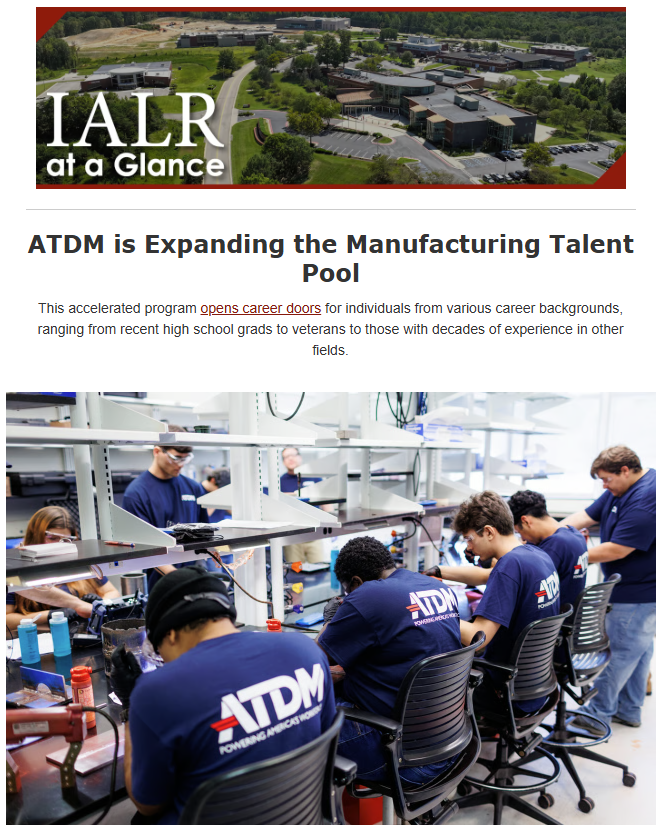
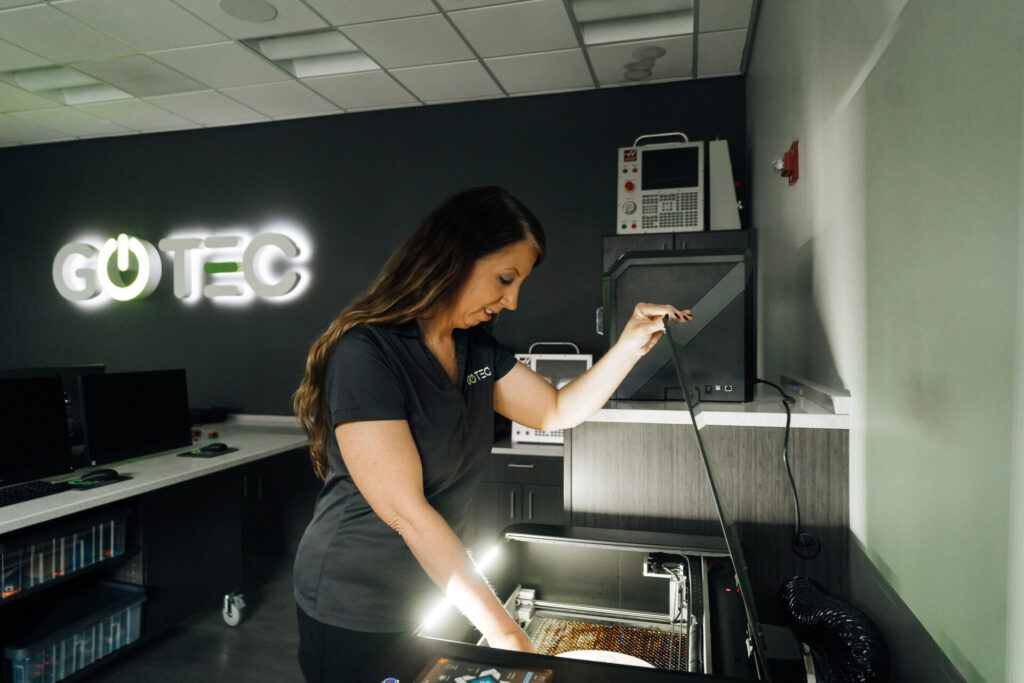
The Microporous project highlights the broad range of business support available through IALR. While the Southern Virginia Regional Alliance helped recruit the project to the region, other IALR initiatives continue to support employers as projects move from announcement to construction and eventually to operations. Through workforce-focused programs such as GO TEC®, Accelerated Training in Defense Manufacturing (ATDM) and ExTRA, IALR helps build and sustain talent pipelines while connecting employers with resources that reduce barriers to growth.
“Companies often first engage with IALR while evaluating Southern Virginia as a location. What makes us unique is that our support doesn’t end when a project is announced. Through our economic development, workforce development and training programs, we’re able to continue supporting employers as they build facilities, hire employees and grow their operations.” – Linda Green, Vice President of Economic Development, IALR; Executive Director, Southern Virginia Regional Alliance
Supporting a Complex Construction Project
Federal tax incentives associated with the Microporous project include apprenticeship provisions that require at least 15% of labor hours on the construction site to be performed by registered apprentices.
Meeting those requirements can be challenging for construction contractors and subcontractors, particularly those that do not already operate registered apprenticeship programs.
Through the ExTRA program, IALR serves as a Virginia Works-recognized Anchor Intermediary, leveraging its role as a Registered Apprenticeship intermediary and group non-joint sponsor to provide employers with an established apprenticeship framework rather than requiring them to create and register apprenticeship programs independently.
“As a group sponsor, we can provide a ready-made apprenticeship model for employers to join rather than requiring every contractor to develop an apprenticeship program from scratch,” said Natori Neal, Apprenticeship Coordinator II at IALR.
Working directly with Alston Construction, Neal serves as the primary point of contact for apprenticeship-related questions and compliance support. She helps contractors and subcontractors understand their options, navigate apprenticeship requirements and meet the project’s workforce obligations.
“Many subcontractors arrive on a project with extensive construction expertise, but varying levels of familiarity with Registered Apprenticeship, especially when working outside their home state,” Neal said. “Our role is to simplify what can be a complex process and provide employers with a clear path forward, helping them meet apprenticeship requirements without delaying project progress.”
Delivering Results
Since July, IALR has onboarded six employers into its Group Sponsored Apprenticeship program to support the project. The initiative has already resulted in the registration of 21 apprentices working on the Microporous project.
The project has required coordination among contractors, subcontractors and apprentices from multiple states, demonstrating the flexibility and scalability of IALR’s apprenticeship support model. The group sponsorship model provides a practical solution that allows these employers to quickly comply with federal apprenticeship provisions while remaining focused on project execution.
A Resource for Employers
The Microporous project highlights one way ExTRA helps employers navigate registered apprenticeship.
Through ExTRA, IALR supports employers across Southern Virginia with apprenticeship education, technical assistance, program registration support, funding assistance for related technical instruction and connections to workforce partners. Since 2022, the program has helped register more than 200 apprentices and 45 apprenticeship program occupations across industries, including construction, healthcare, manufacturing and information technology.
“One of IALR’s strengths is identifying workforce challenges and bringing together the right partners, resources and expertise to address them,” said Dr. Melanie Lewis, Vice President of Advanced Learning at IALR.
The Microporous project shows how apprenticeship expertise and workforce support can help employers overcome challenges quickly while keeping major projects moving forward.
“The partnership among Microporous, Alston Construction, project subcontractors and IALR demonstrates how workforce development and economic development should work together to support transformational projects,” Green said.




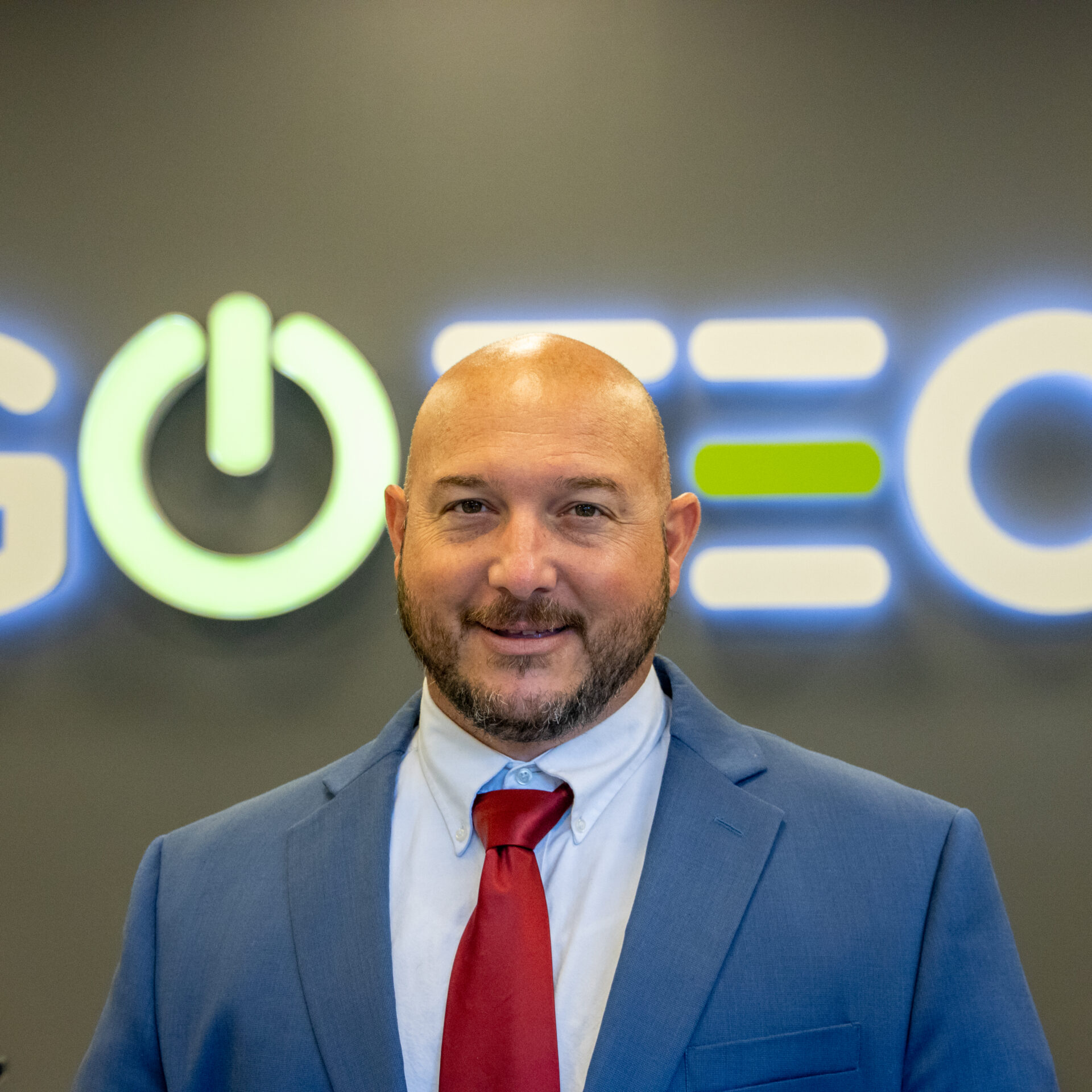 The Institute for Advanced Learning and Research (IALR) is pleased to announce that Jacob Taylor has been named Interim GO TEC Director, effective July 1. Having worked with the program since its inception, Taylor brings a track record of excellence, innovation and passion for STEM education generally and for the success of the GO TEC program.
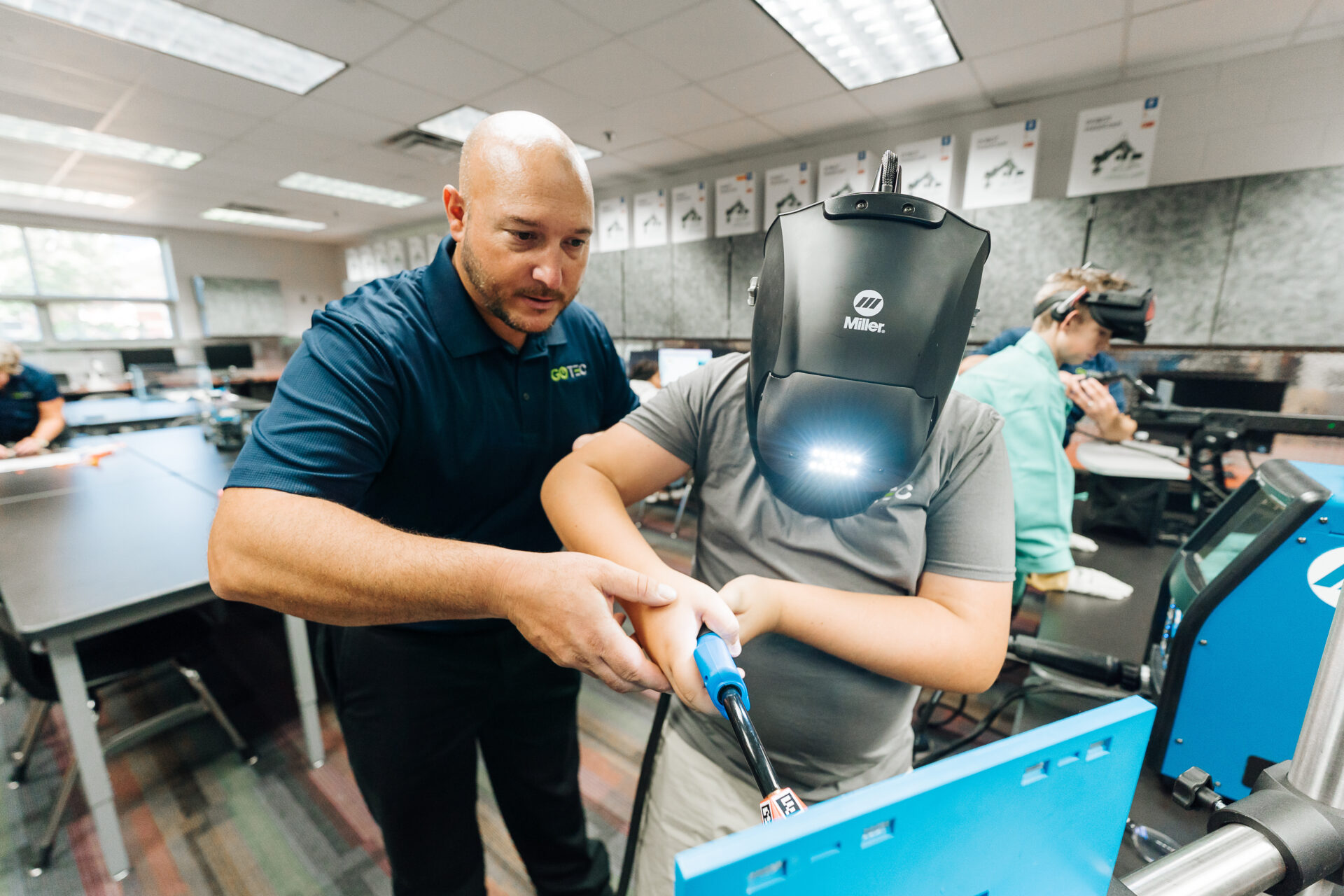 IALR will undertake a thoughtful and strategic review of the GO TEC Director position over the coming months to ensure long-term leadership alignment with the program’s goals and priorities.