When we compare the 2025 Job Availability data with the 2017 data, one thing is clear: progress has been made, but challenges remain.
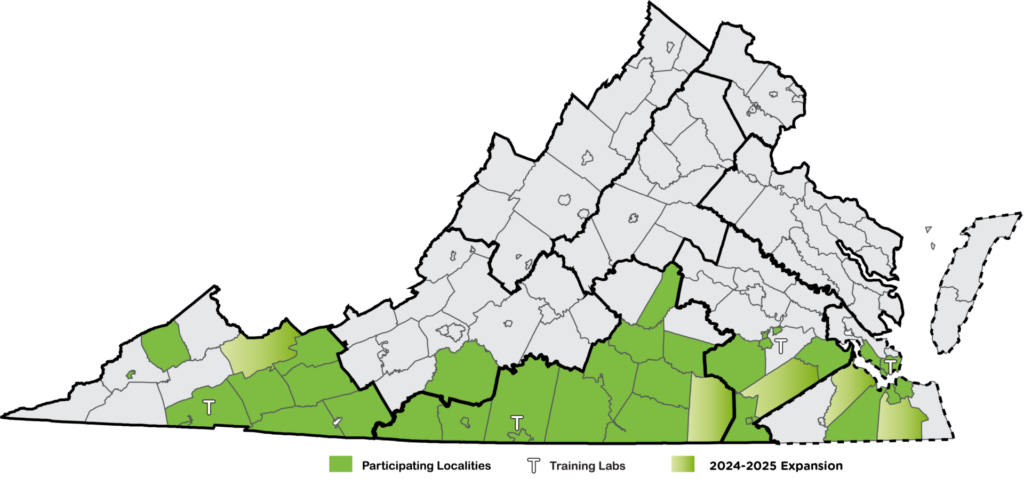
The 2025 Living Wage and Job Availability Study analyzes the workforce landscape across GO Virginia Region 3, which spans 15 localities in Southern Virginia, including the cities of Danville and Martinsville and counties such as Halifax, Pittsylvania and Patrick. This region has worked collaboratively for years to strengthen its economy and workforce, and this latest report provides a critical snapshot of where we stand today — and how the landscape has evolved over the past eight years.
Job Availability by Pay Range & Living Wage
Wages in 2017 were more heavily skewed towards lower ranges, with more than 50% of jobs paying less than $13 per hour. Increases in the Virginia minimum wage ($12.41 an hour in 2025) eliminated hourly wages below $11.
However, this change alone does not account for the shift in regional wages.
More than 50% of job openings in 2017 fell in the lowest three pay ranges. In 2025, the lowest three pay ranges (excluding those below $11 an hour) accounted for just 33.5% of available openings.
This change highlights a shift to higher-paying jobs in the region.
The region has seen a drastic improvement in the availability of living-wage jobs, defined as jobs paying a rate needed to cover basic expenses such as housing, food, childcare and healthcare without public assistance.
- In 2017, the majority of job postings provided a living wage for just four out of 12 family types
- In 2025, the majority of openings support eight of the 12 family types
Shifts in Job Demand
One of the most notable changes since 2017 is the composition of job openings. Healthcare and social assistance became the most dominant employment sector, accounting for 35.3% of all openings in June 2025. This is a shift from just 18% in June 2017 when retail trade jobs dominated postings with 29.5% of all available jobs.
| Industry | 2017 share | 2025 share |
|---|---|---|
| Health care and social assistance | 18.0% (2) | 35.3% (1) |
| Retail trade | 29.5% (1) | 15.8% (2) |
| Accommodation and food services | 12.5% (3) | 10.9% (3) |
| Educational services | 5.3% (5) | 8.5% (4) |
| Construction | 2.0% (12) | 5.9% (5) |
| Manufacturing | 4.3% (7) | 5.1% (6) |
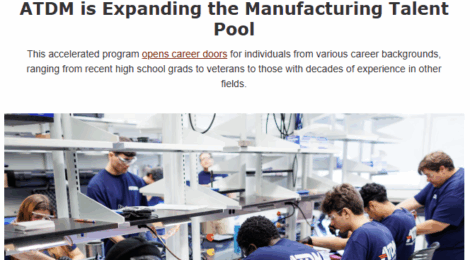
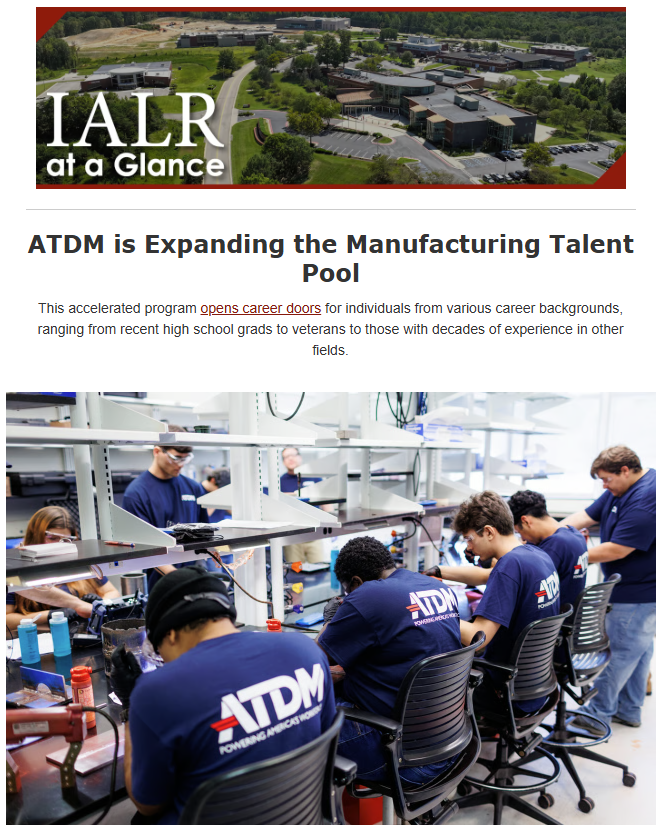
Retail and food services continue to rank high (15.8%), while advanced manufacturing has grown in strategic importance. Even as the study notes a surplus of workers in manufacturing, employers tell us that surplus doesn’t always translate to qualified talent.
Skill misalignment persists across industries, including manufacturing, and within sectors with labor surpluses and deficits. Projected growth from major manufacturing employers such as Microporous underscores the urgency of aligning training with industry needs and regional economic development goals.
Education Requirements: Then and Now
In 2017, 69.5% of open jobs required no postsecondary education. In 2025, job postings have shifted toward higher educational requirements, with approximately half of jobs requiring no postsecondary education.
While jobs requiring a bachelor’s degree are more prevalent now (up 8.8% from 2017), skilled jobs requiring some college, a non-degree award or associate degree are on the rise as well (up 5.8%).
| Education requirement | 2017 | 2025 |
|---|---|---|
| No postsecondary (no credential + high school) | 69.5% | 49.8% |
| Some postsecondary (some college, non-degree, or associate) | 10.0% | 15.8% |
| Bachelor’s or higher | 20.5% | 34.3% |
Approximately three-fifths of the jobs in the region still require no formal postsecondary degrees. This means many opportunities are accessible with proper training and credentials rather than a two-year or four-year degree. As would be expected, as the level of education rises, so does the average hourly wage for jobs requiring that education.
IALR’s Role in Closing the Gaps
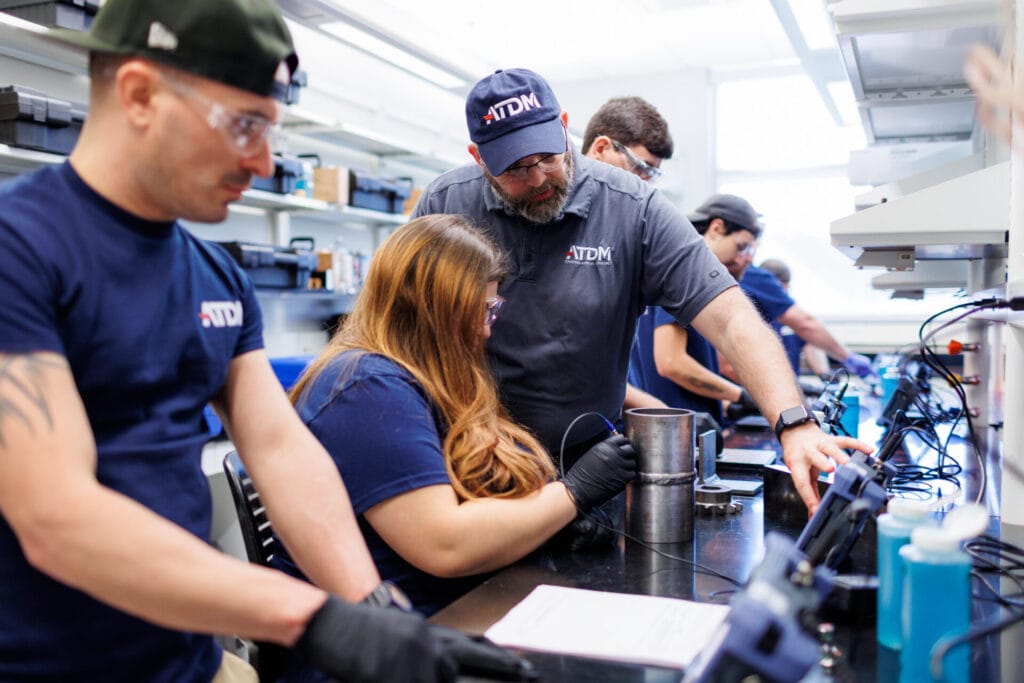
While IALR doesn’t grant traditional degrees, we serve as a hub for workforce innovation, connecting schools, employers and training providers to deliver certifications, Registered Apprenticeship and other work-based learning experiences.
Our Advanced Learning team, which commissioned this study with support from GO Virginia and the Danville Regional Foundation, works every day to bridge the gap between education and industry.
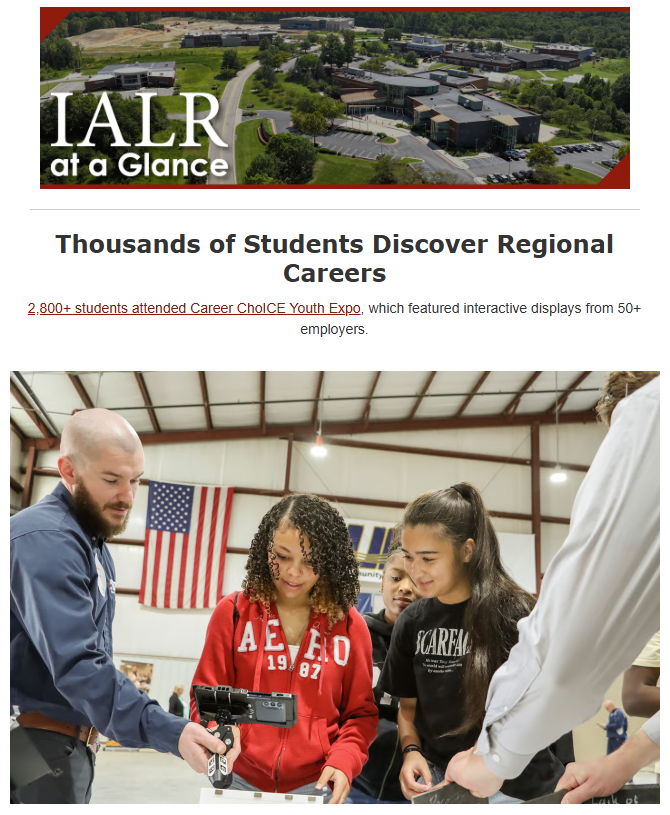
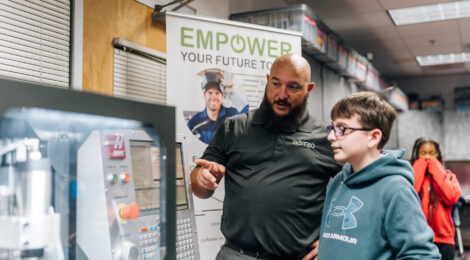
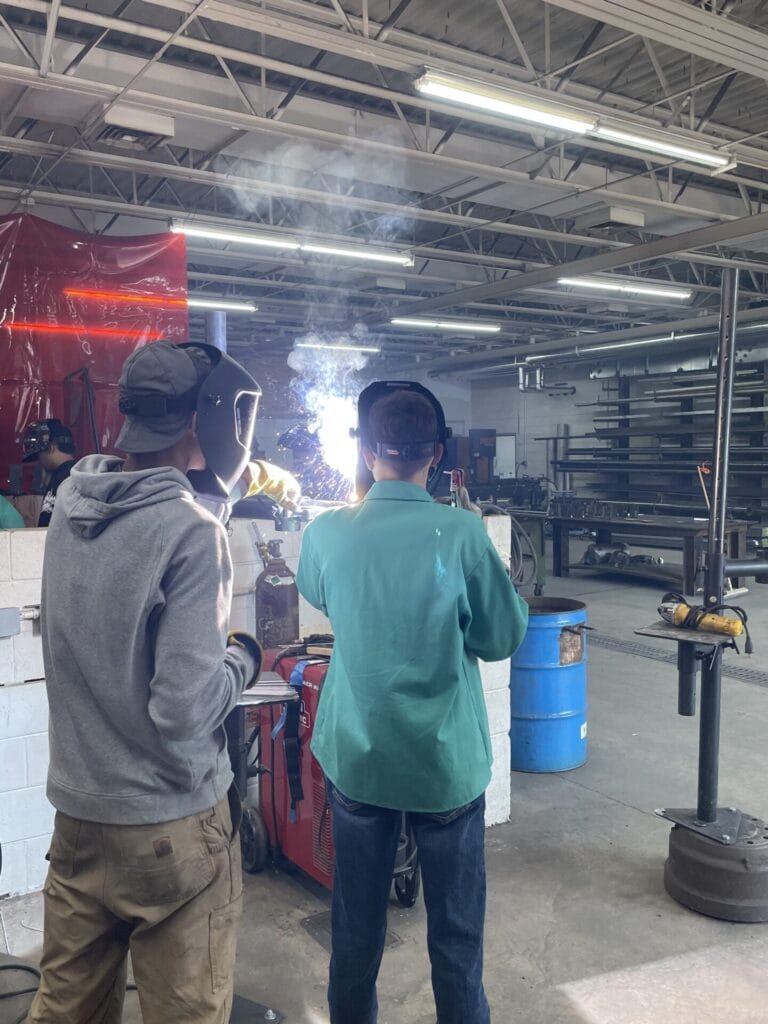
Through initiatives like the Career ChoICE Youth Expo, thousands of students experience hands-on career exploration activities led directly by regional employers from high-demand sectors. The ExTRA program (Expanding Talent through Registered Apprenticeship) helps employers, including those in industries like healthcare, the trades and manufacturing, build sustainable pipelines through state Registered Apprenticeship.

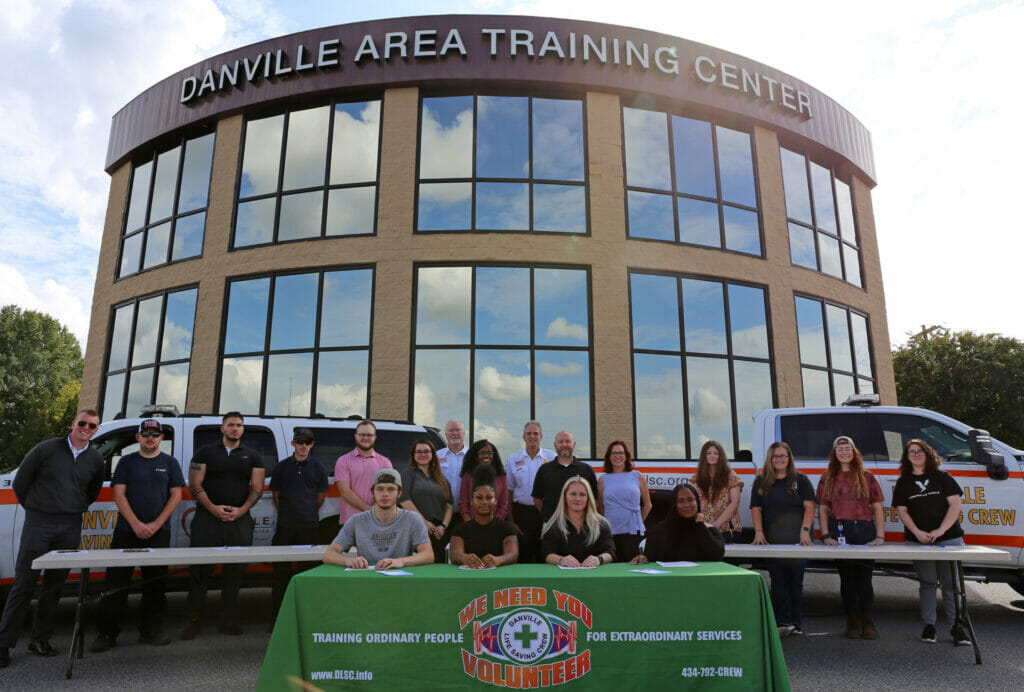
IALR’s ExTRA initiative has supported Danville Life Saving Crew and Franklin County Public Safety with the creation of the first registered EMT and Paramedic registered apprenticeship programs.
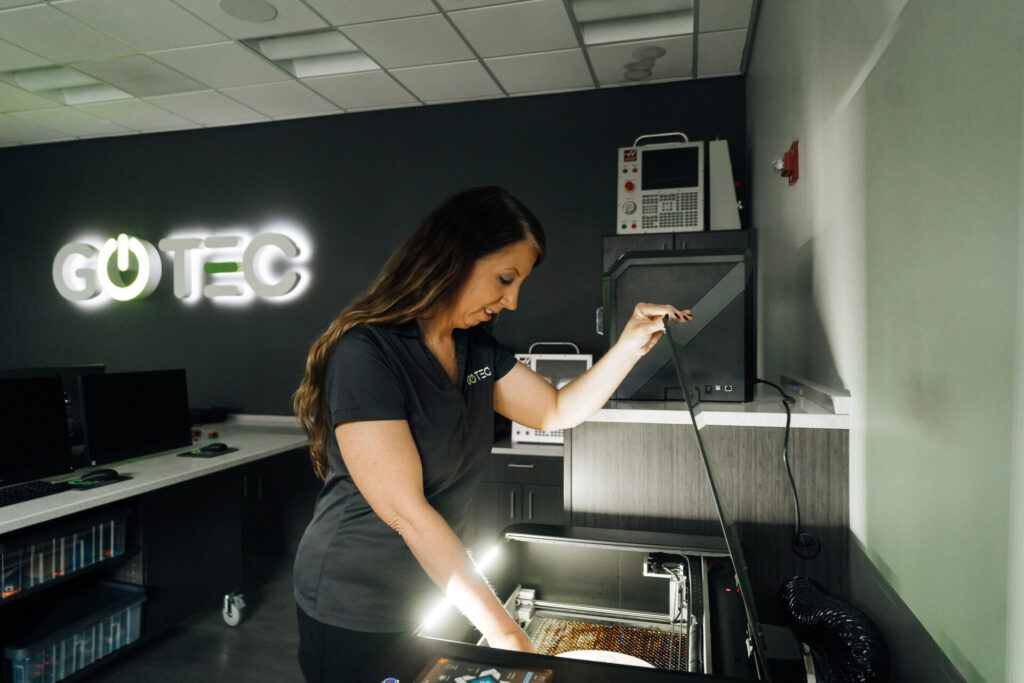
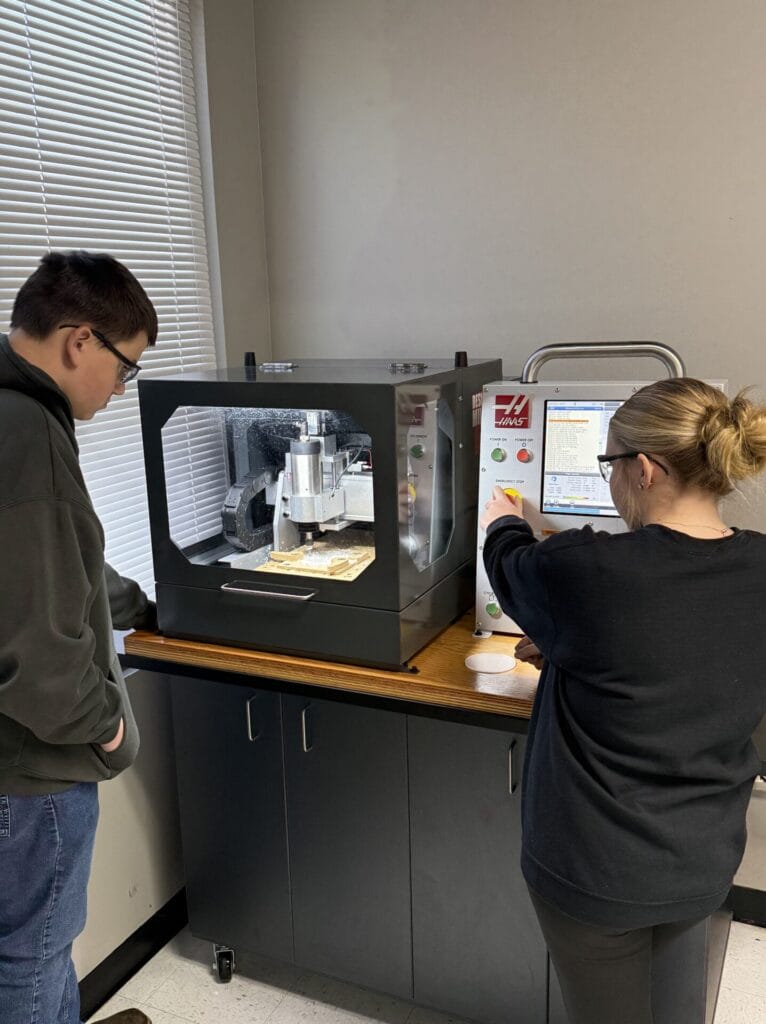
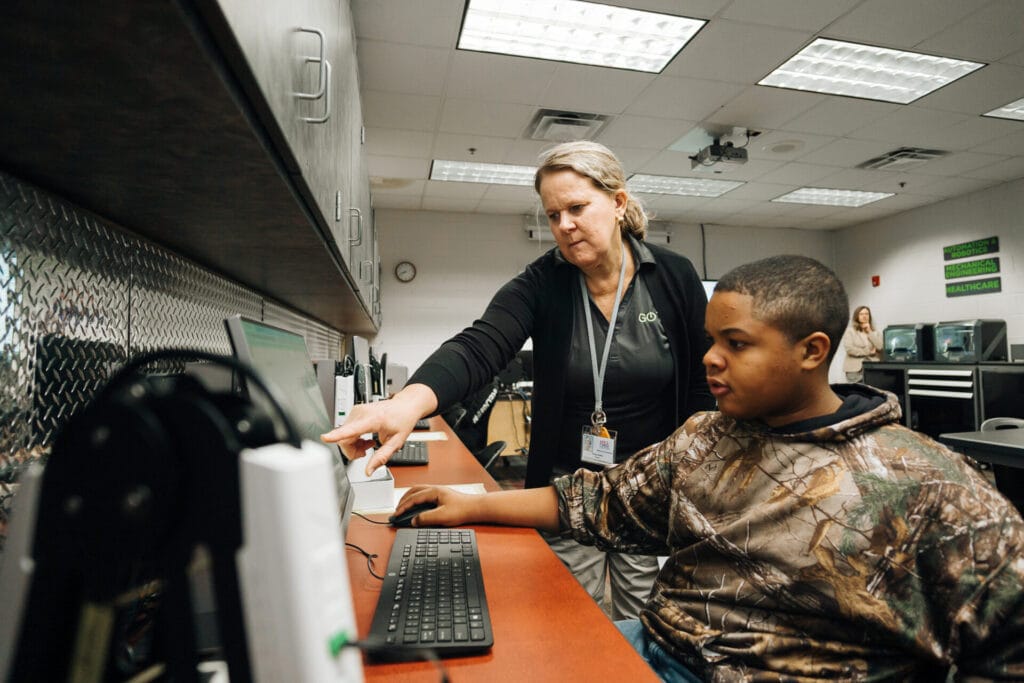
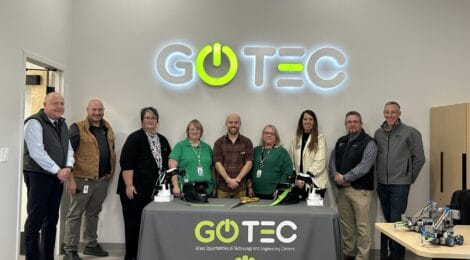
We also support internships, job shadowing experiences for high school students and teachers, and dual-enrollment opportunities that give learners a head start on credentials. These programs complement Great Opportunities in Technology and Engineering Careers (GO TEC®), which introduces middle schoolers to high-demand career clusters, ensuring that interest becomes preparation — and preparation becomes opportunity.
The data tells a story of progress, but also a call to action.
Our region has made strides in wages and workforce development, yet we face current and forecasted future gaps in healthcare talent and an increasing demand for manufacturing workers. Addressing these challenges will require continued collaboration among educators, employers and community leaders.
Read the full report and join us in shaping the next chapter of Southern Virginia’s workforce future.
Jessie Vernon is IALR’s Director of Employer Engagement and Experiential Learning. Vernon has more than a decade of experience in supporting the creation of effective work-based learning programs, ranging from micro-experiences to apprenticeships and internships.